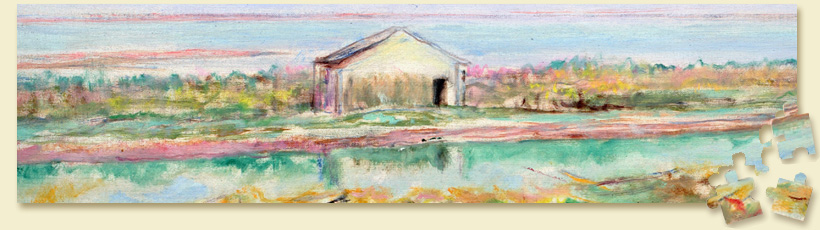
Filippo de Pisis, registered as Luigi Filippo Tibertelli (Ferrara 1896 - Milan 1956) since his early writings, with the older sister Ernesta (also a brilliant intellectual), retrieves from a member of the family, Filippo Tibertelli de Pisis, the part decayed of the surname signing for the history "Filippo De Pisis".
In the youth years in Ferrara, de Pisis completes regular studies, but at the same time he cultivats many interests: from botany to art history, from painting to literature. Many of these experiences, and especially the literary one, and getting used to resurface following his pictorial work.
He met in Ferrara, in the second half of the decade, the fathers of metaphysical painting: De Chirico, Carrà and Savinio. In fact at beginning he interprets the painting of such masters making it effervescent.
Even the fruits of that experience mature later during the Paris years. In 1920 he moved to Rome, where he worked to set up his figurative language. But in Paris, where he moved in 1925, thanks to the study of the great nineteenth century French and contemporary, he reaches full mastery of his means, by starting one of the finest painters of the routes twentieth century, not only Italian.
Between 1924 and 1927 he paints the marine still life and as Raimondi wrote, "where lessons can also be seen in Manet's choice of palette, use of red lacquer, sunk in the sweetness of yellow or burnt lands, agreements on complementary yellow-gold and Prussian blue, and the infinite scale of green with red granted. On the canvas by expanding the primer slight dint brush, broad, non-fat color, intense in this area, flowing, dry and only occasionally in the coagulated a stop denser, as nodes in a bamboo cane”.
The De Pisis brush becomes a sort of seismograph capable of recording what happens with the inimitable immediacy, the encounter-clash between the artist's sensibility and the emotions that give him things, even the most humble: just a pen goose on the ground, in the middle of a road, or a shell on a deserted beach. Landscapes, still lifes, fruits, flowers, animals and men are outlined on his canvas with light brush strokes, vibrant, bright, fragile in appearance, but really hard as the wire.
This for the fifteen years spent in Paris, and then in Italy, in Milan and Venice, where he lives from 1939.
Then finally the year of Villa Fiorita comes, characterized by suffering, reflected in the works of that time, but that did not prevent him from draining its "pictorial vein", building a scaled-figurative syntax, able to live up to the outcomes of the largest and most modern at the time was happening in the painting in Italy and abroad.
In 2006, fifty years after the death of Filippo De Pisis an exhibition that traces his artistic journey from the first practice, still immature, to the masterpieces of his maturity, in Ferrara at the Palazzo dei Diamanti.
On 2013 from 13/09 to 08/12 the exhibition "Filippo de Pisis en voyage. Roma, Parigi, Londra, Milano, Venezia" at the Fondazione Magnani Rocca in Mamiano di Traversetolo (Pr).
|
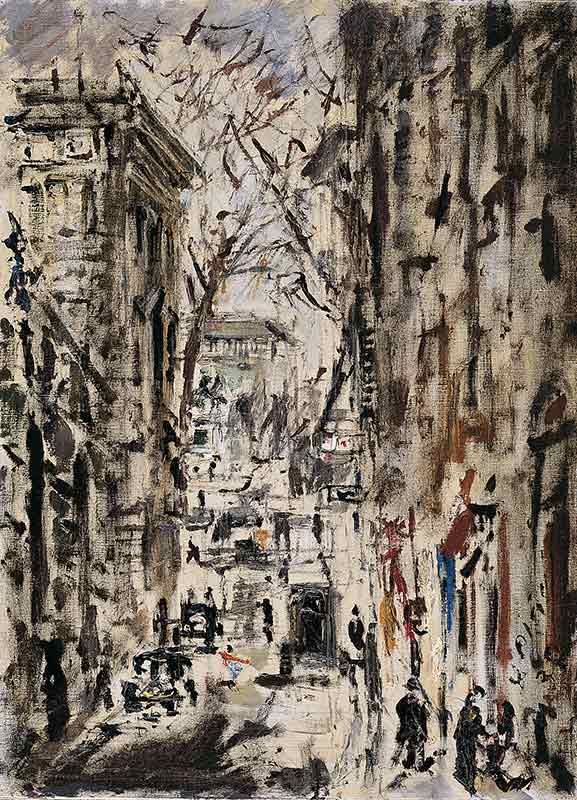
Filippo de Pisis Strada di Parigi, 1938, Museo d'Arte Moderna e Contemporanea Filippo de Pisis, Donazione Fondazione Giuseppe Pianori | 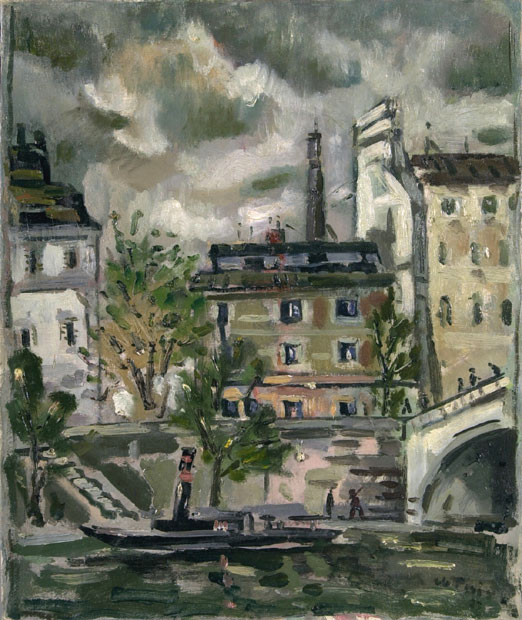
Filippo De Pisis LungoSenna 1927 Olio su tela | 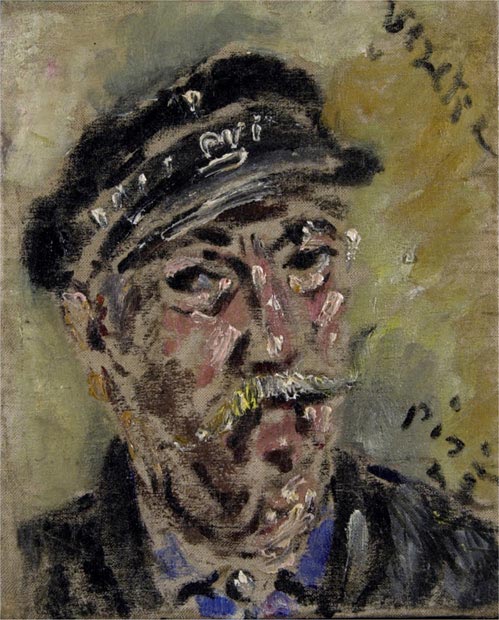
Filippo De Pisis Ritratto di Pospisil 1943 Olio su tela | 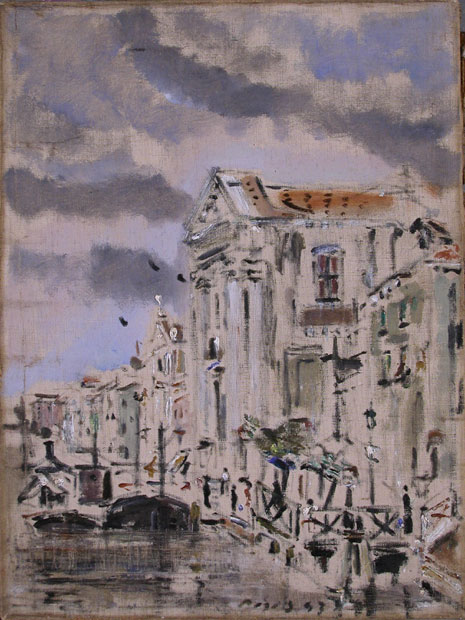
Filippo De Pisis Il Canale della Giudecca ai Gesuiti 1943 Olio su tela | 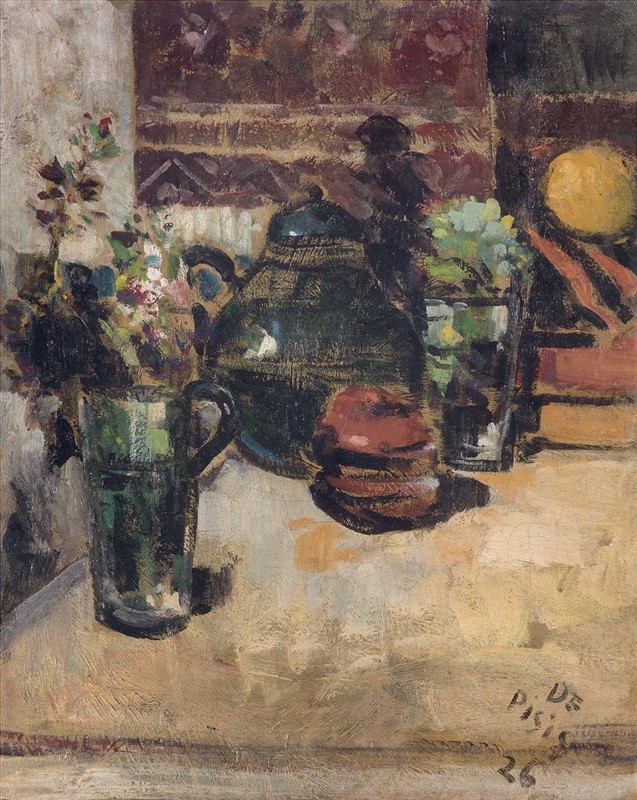
Filippo de Pisis Interno, 1926, olio su tela 53x43 cm, Museo MAGA, Gallarate, deposito da collezione privata | 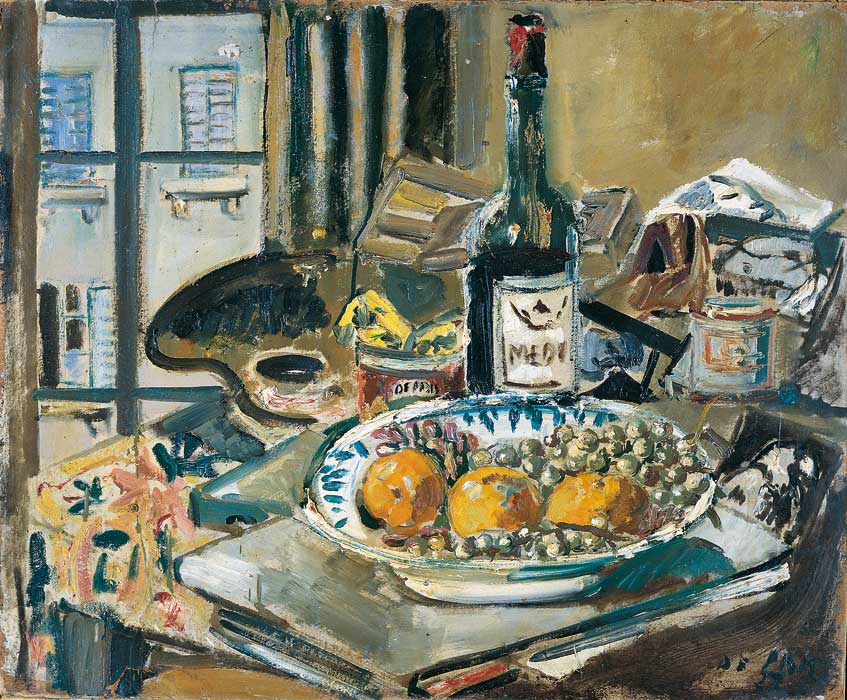
Filippo de Pisis La bottiglia tragica, 1927, Olio su cartone, cm 53,8x66, Museo d'Arte Moderna e Contemporanea Filippo de Pisis, Donazione Franca Fenga Malabotta | 
Filippo de Pisis Trafalgar Square | 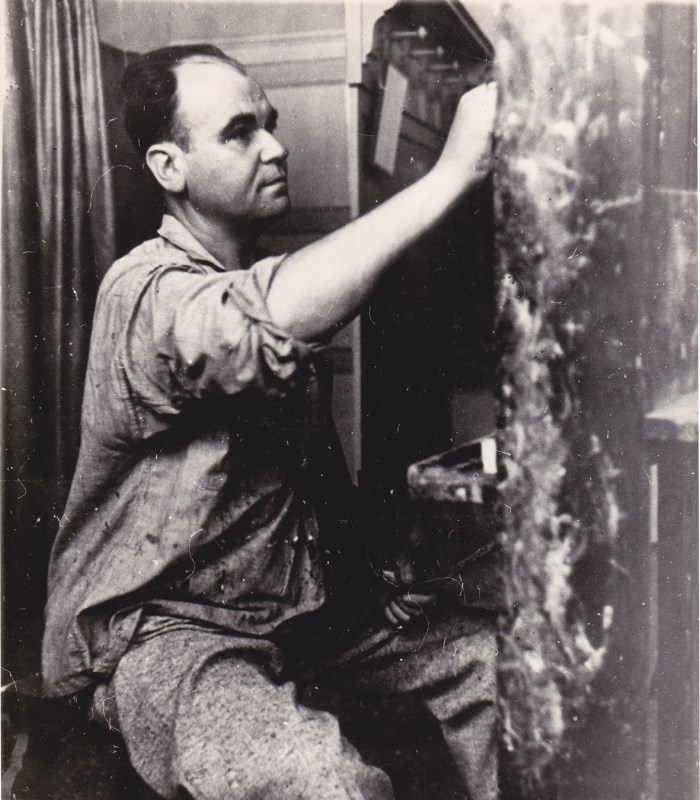
Filippo de Pisis 1938 | 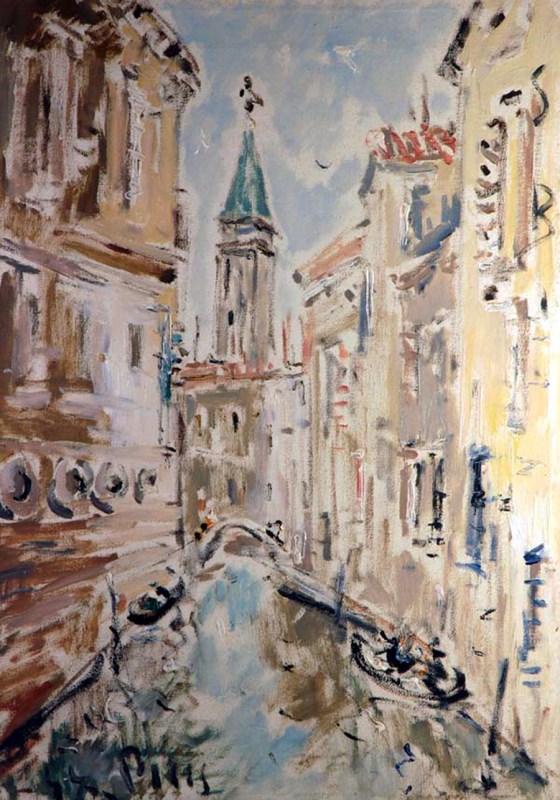
Filippo de Pisis De San Barnaba 1947 | 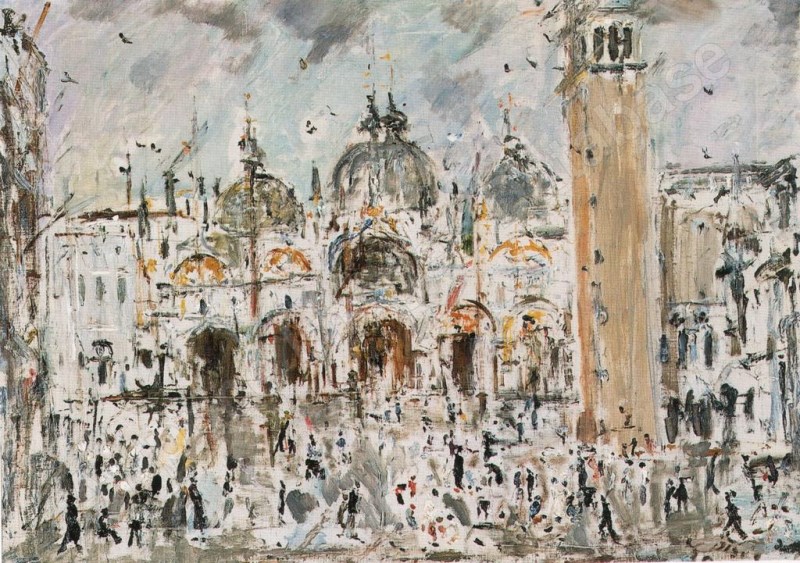
Filippo de Pisis piazza San Marco 1940 | 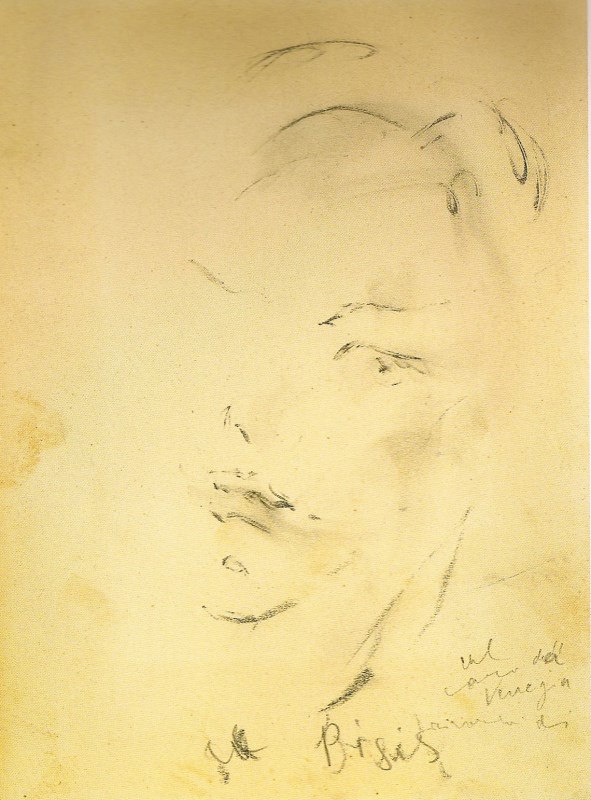
Filippo de Pisis - Eugenio Da Venezia - Donazione Eugenio Da Venezia Querini Stampalia | 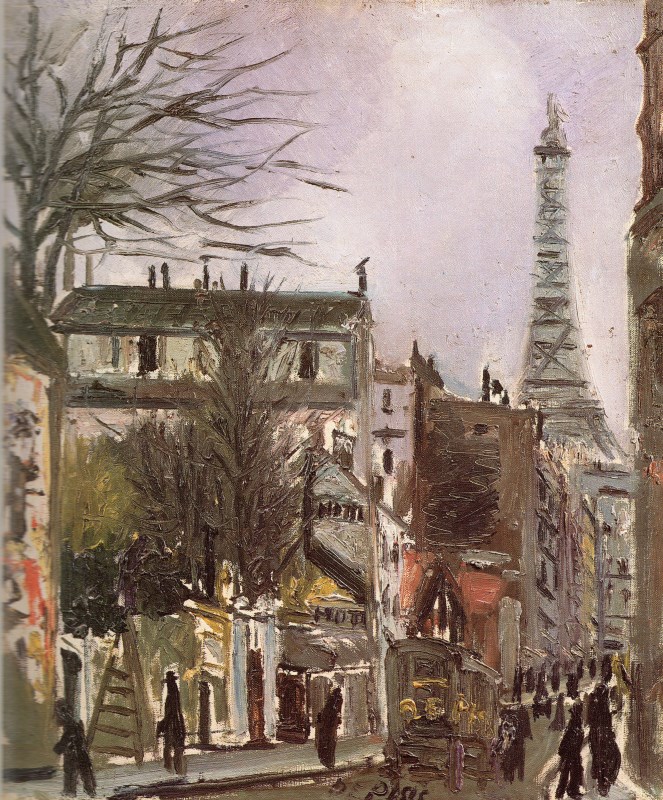
Filippo de Pisis Rue des Volontaires 1925 Olio su tela cm55X45.5 | 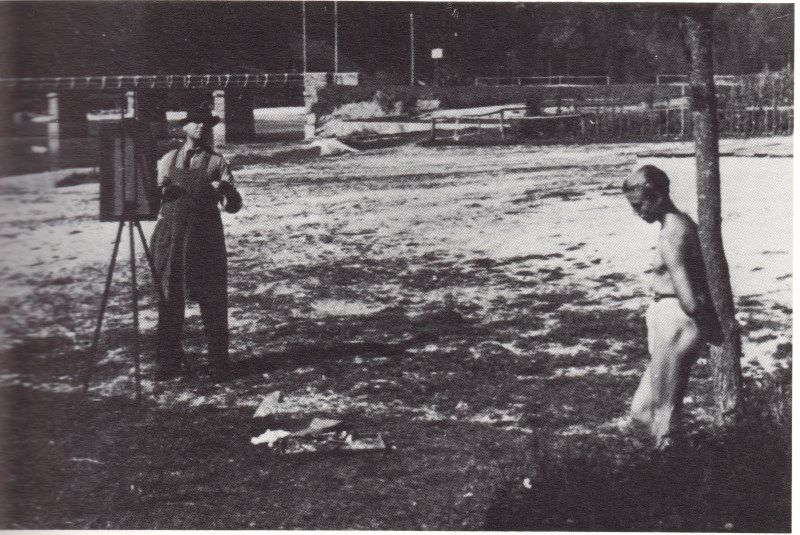
Filippo de Pisis dipinge dal vivo | 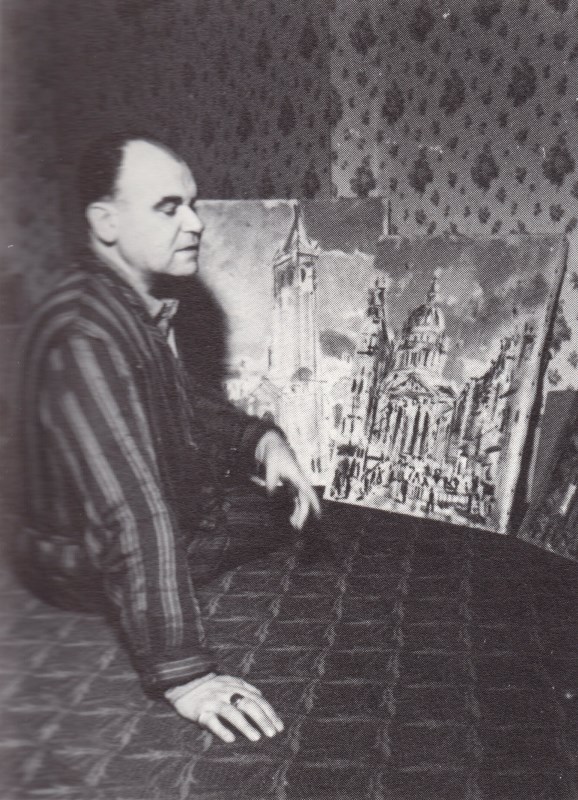
Filippo de Pisis e le sue opere | 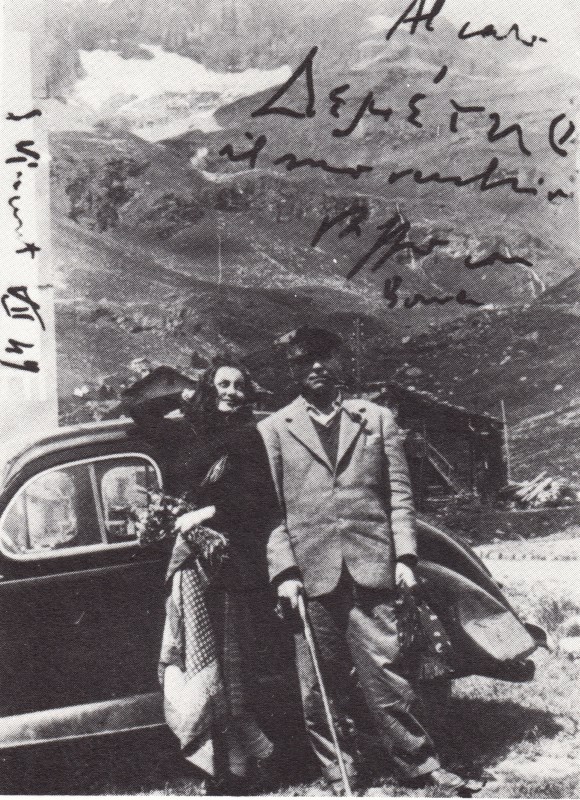
Filippo de Pisis in montagna | 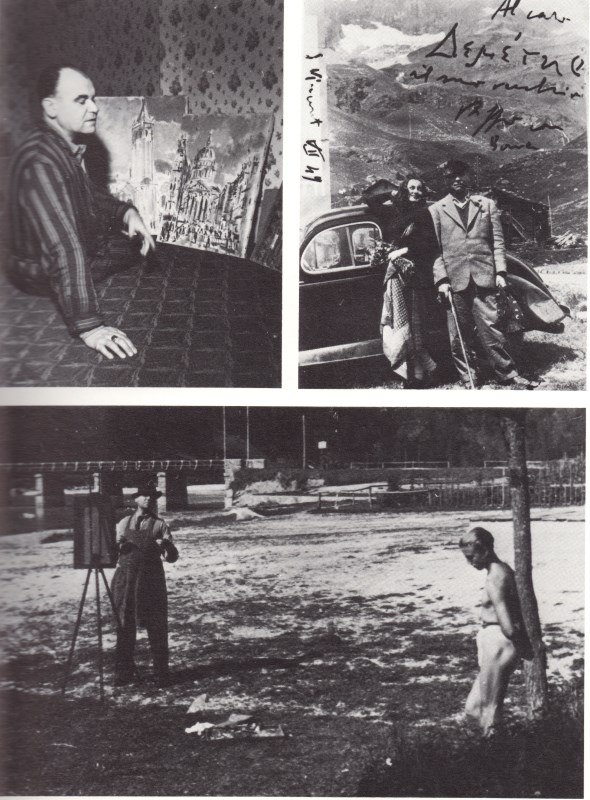
Filippo de Pisis |
|